Until we meet again
Selma van der Bijl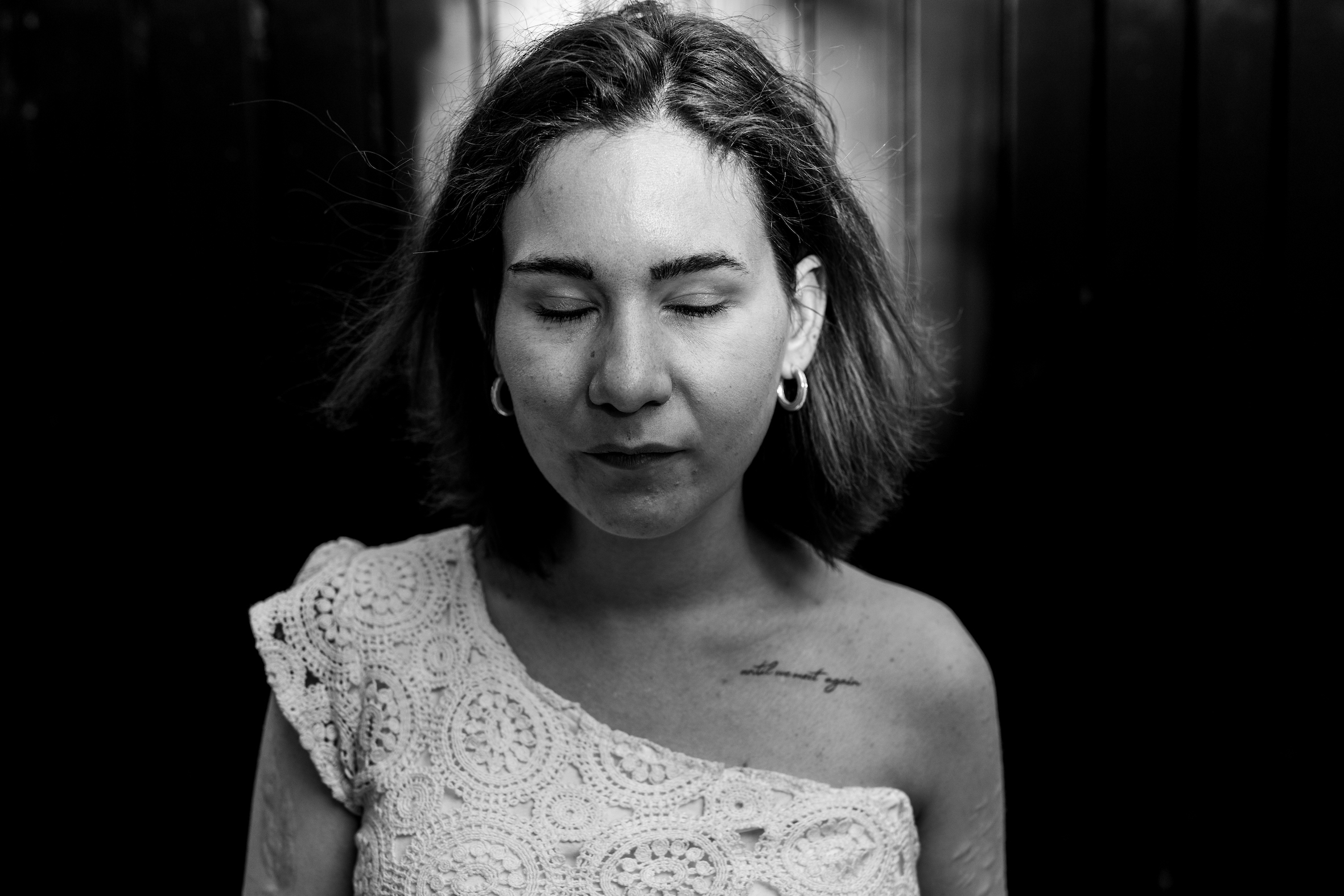
A story abouthope, despairand resilience.
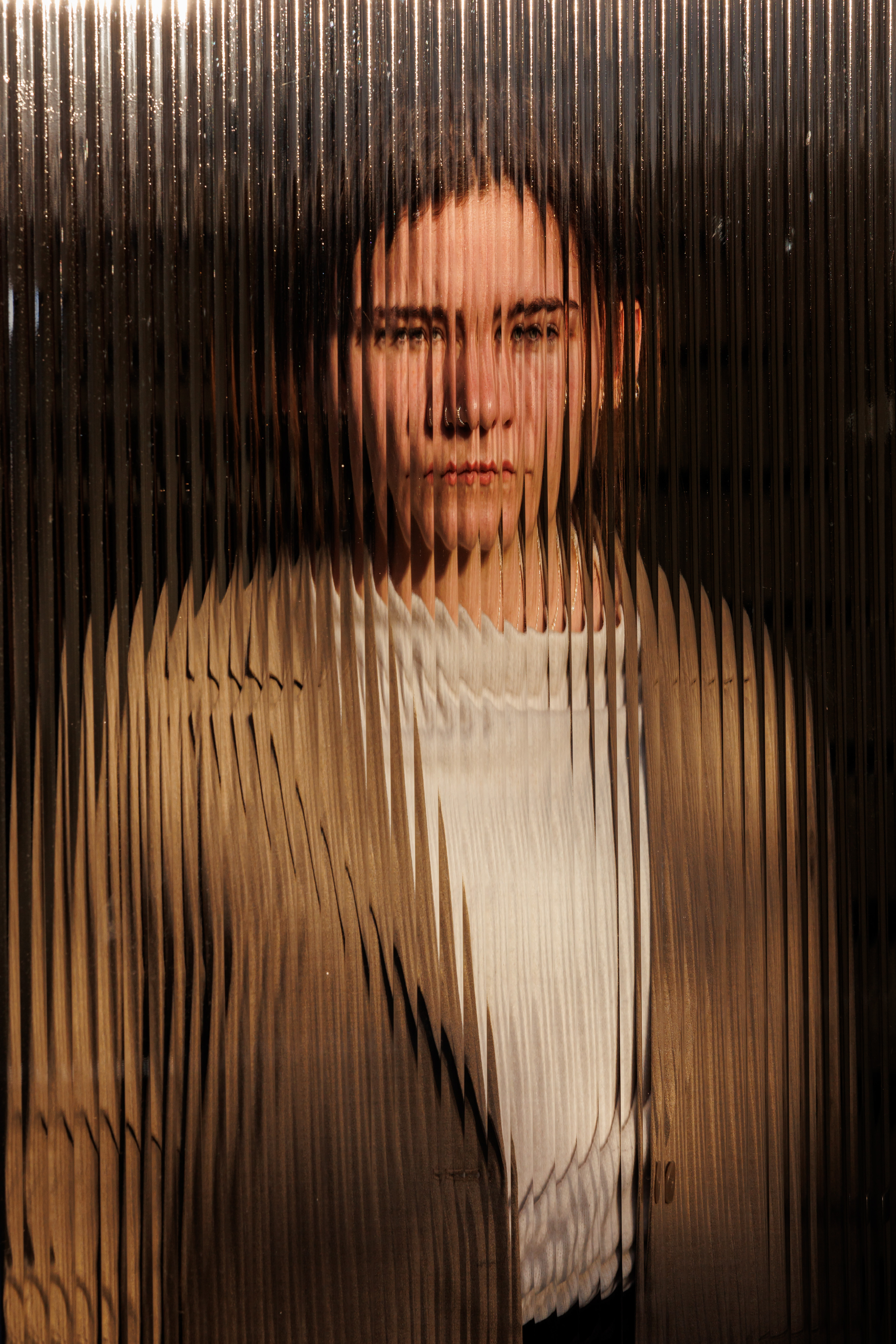
Choosing life is not always easy. Documentary photographer Selma van der Bijl captures the complexity of this choice. The moving exhibition Until we meet again tells the story of Romy. A story about hope, despair, and resilience.
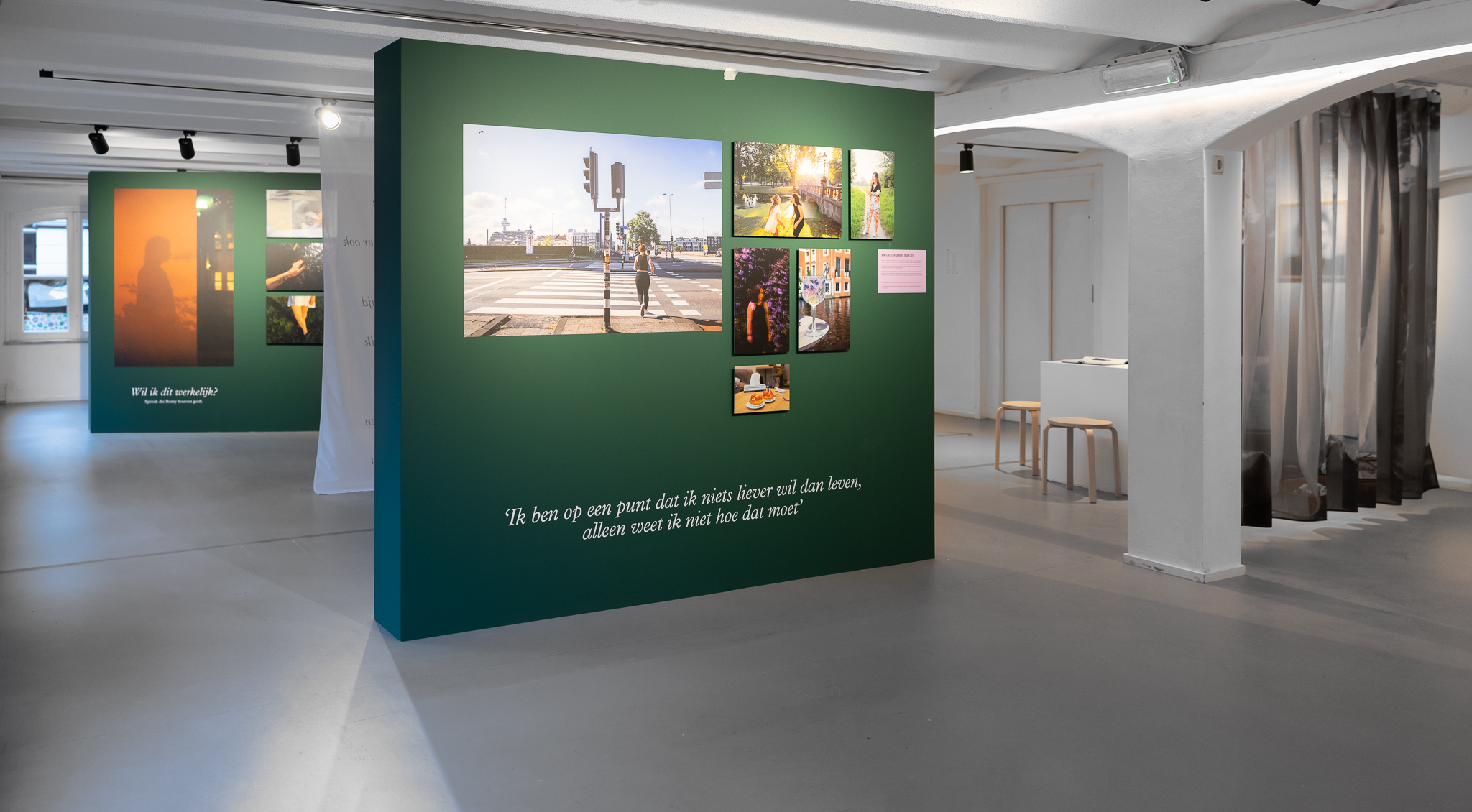
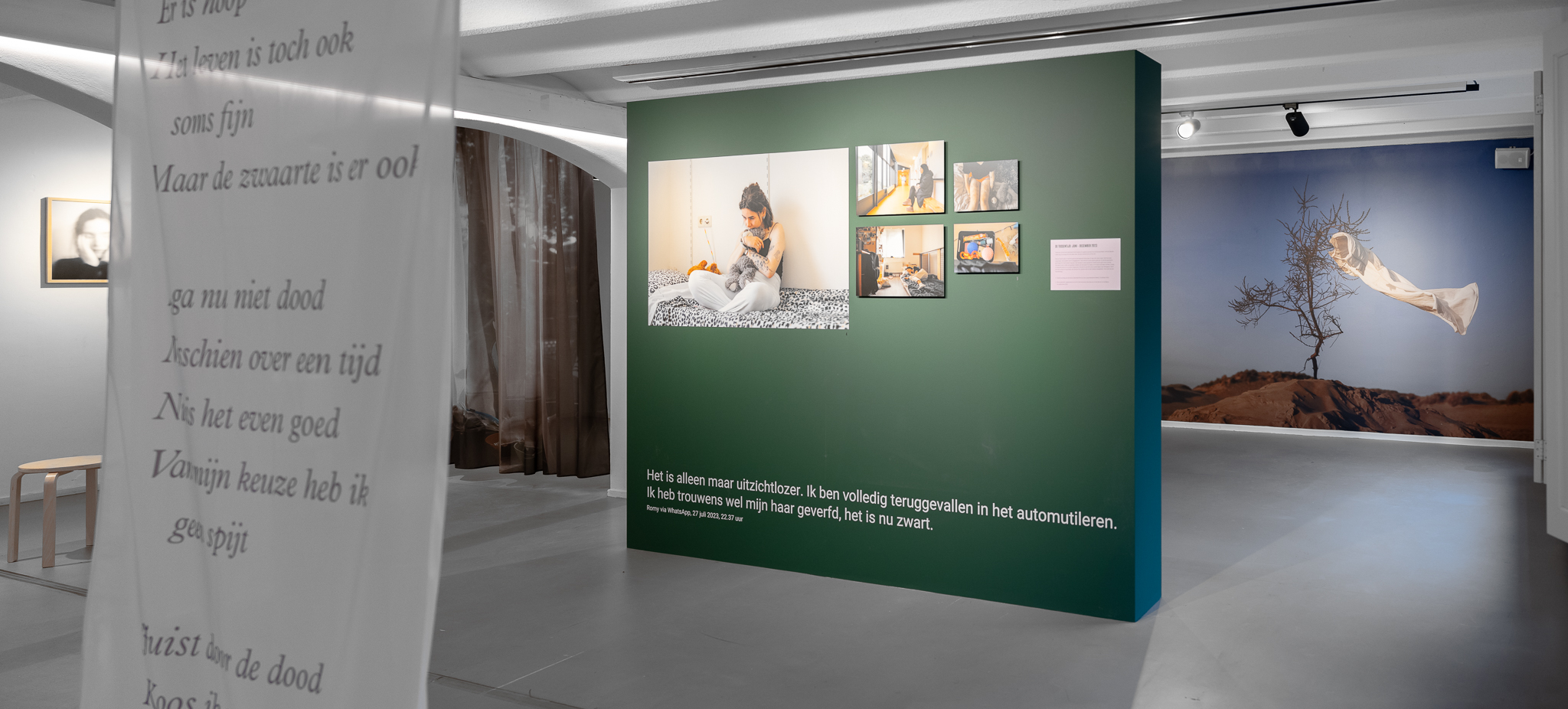
The exhibition focuses on the work of Dutch documentary photographer Selma van der Bijl and is complemented by texts from journalist and documentary maker Stephanie Bakker. Until we meet again combines documentary photography, autonomous images, text, and poetry. It is a poignant exhibition about walking on the edge of death and choosing life.
Photographer Selma van der Bijl met the subject, Romy, in the autumn of 2022. At that time, the euthanasia process had already begun, and Romy wanted photographs taken for her loved ones. In an attempt to better understand her choice, Van der Bijl began photographing her. However, Romy ultimately chose to continue living, and Van der Bijl continued to document her journey.
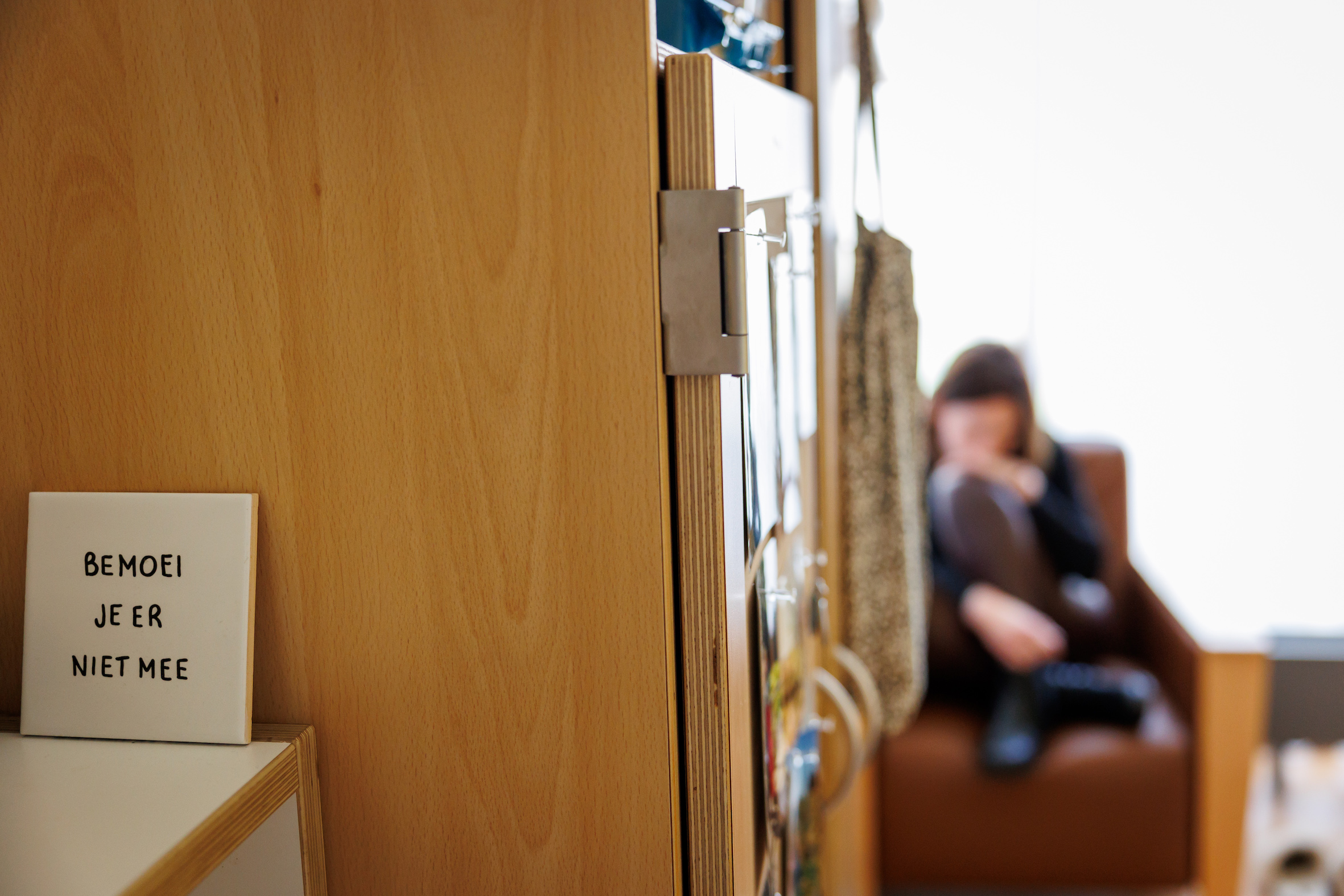
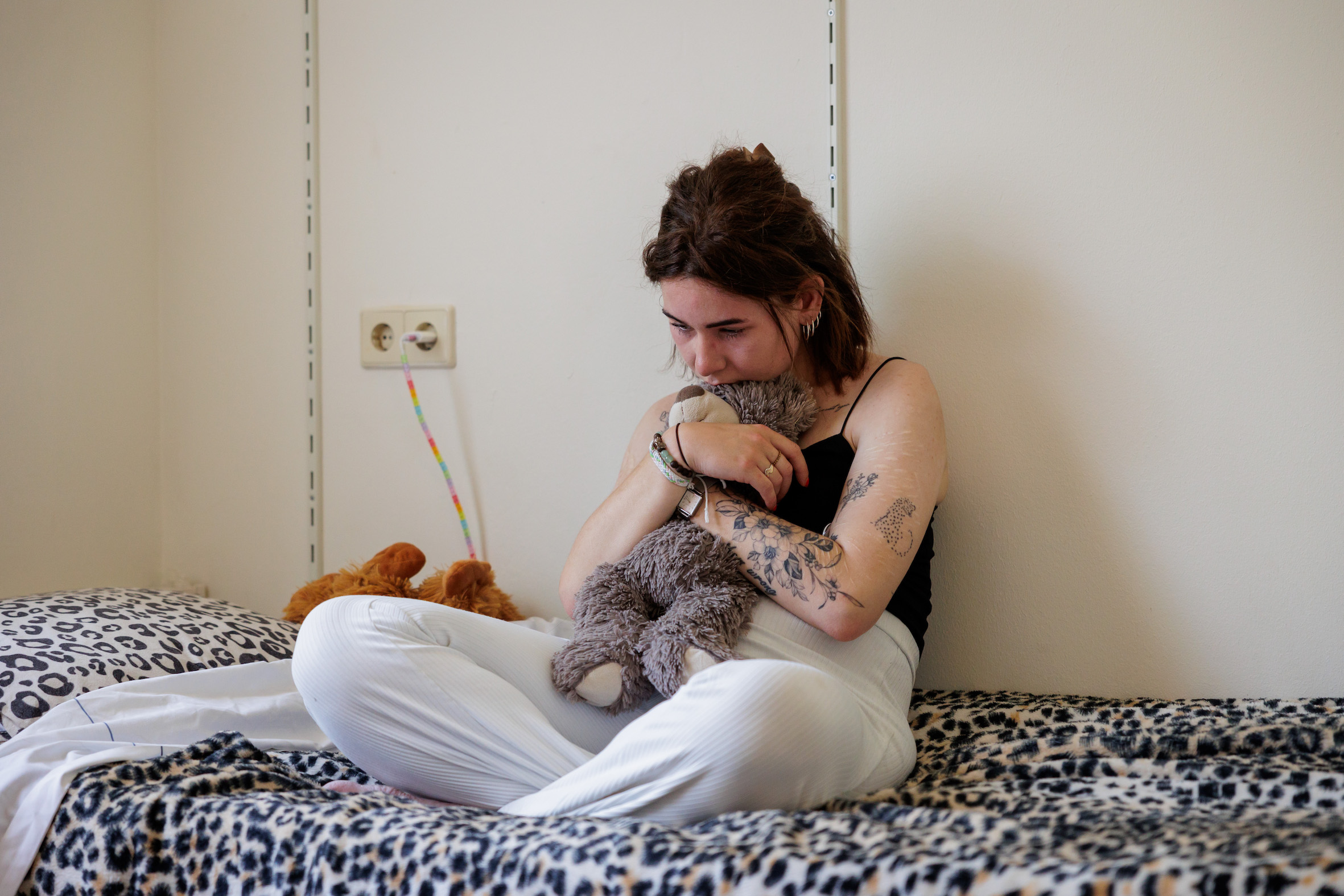
Moments of hope and resilience alternate with fear and despair. The exhibition shows how this young woman fights for her life, despite everything she has experienced. It raises questions: Can she ever heal? Is she better off by continuing to live, or by choosing death?
Trilogy: From death to life
What began as an attempt to understand why someone would want to die evolved into a hopeful trilogy. This trilogy tells the story of a young woman trying to regain control over her life.
Euthanasia in the Netherlands
The Netherlands is one of the few countries in the world where euthanasia for psychological suffering is legal. Until we meet again tells the story of Romy, a young, physically healthy woman with complex PTSD. She struggles with questions of life and death because childhood traumas have made life unbearable for her.
Socially Relevant and Confronting
Although euthanasia for psychological suffering is possible in the Netherlands, the subject remains taboo, both in society and within mental health care. Romy’s story is special, yet sadly not unique. Statistics show that nearly half of young people in the Netherlands struggle with mental health issues. Moreover, suicide is the leading cause of death among people under thirty. Until we meet again does not take a stance in the euthanasia debate but emphasizes the importance of openness.
Journalist and documentary maker Stephanie Bakker worked closely with Van der Bijl and Romy. She wrote the texts for the exhibition and produced a two-part podcast about Romy: The year I was going to die.
About Selma van der Bijl
Selma van der Bijl (1979) captures the most poignant moments in people’s lives as a documentary photographer. For the project Geluk(t), she photographed refugees who, after many challenges and journeys, were reunited with their families. Through socially engaged projects such as Geluk(t) and Meeting an Angel, Van der Bijl aims to look beyond numbers, statistics, and judgments. She has received numerous awards, including the Zilveren Camera, the Paul Peters Photography Prize, the Alfred Fried Photography Award, and the World Report Award (Festival of Ethical Photography). In addition, Van der Bijl teaches at the Fotoacademie in Amsterdam.
About Stephanie Bakker
Stephanie Bakker is a journalist and interactive storyteller. She primarily works on self-initiated projects that result in articles, books, debate series, multimedia documentaries, and exhibitions. Bakker believes in the power of personal stories and has a keen eye for hopeful narratives with a forward-looking perspective. Inspired by this, she created the cross-media project Future Cities (World Press Award Digital Storytelling). For her projects, she collaborates with photographers, filmmakers, designers, media, and museums to explore new forms of storytelling. Her work, including Future Cities, Over het hoofd gezien, The Dyke, and Sinking Cities, has reached national and international media, museums, festivals, and conferences.
This exhibition is made possible in part by the Mondriaan Fund.