
Movements
Humansin motion
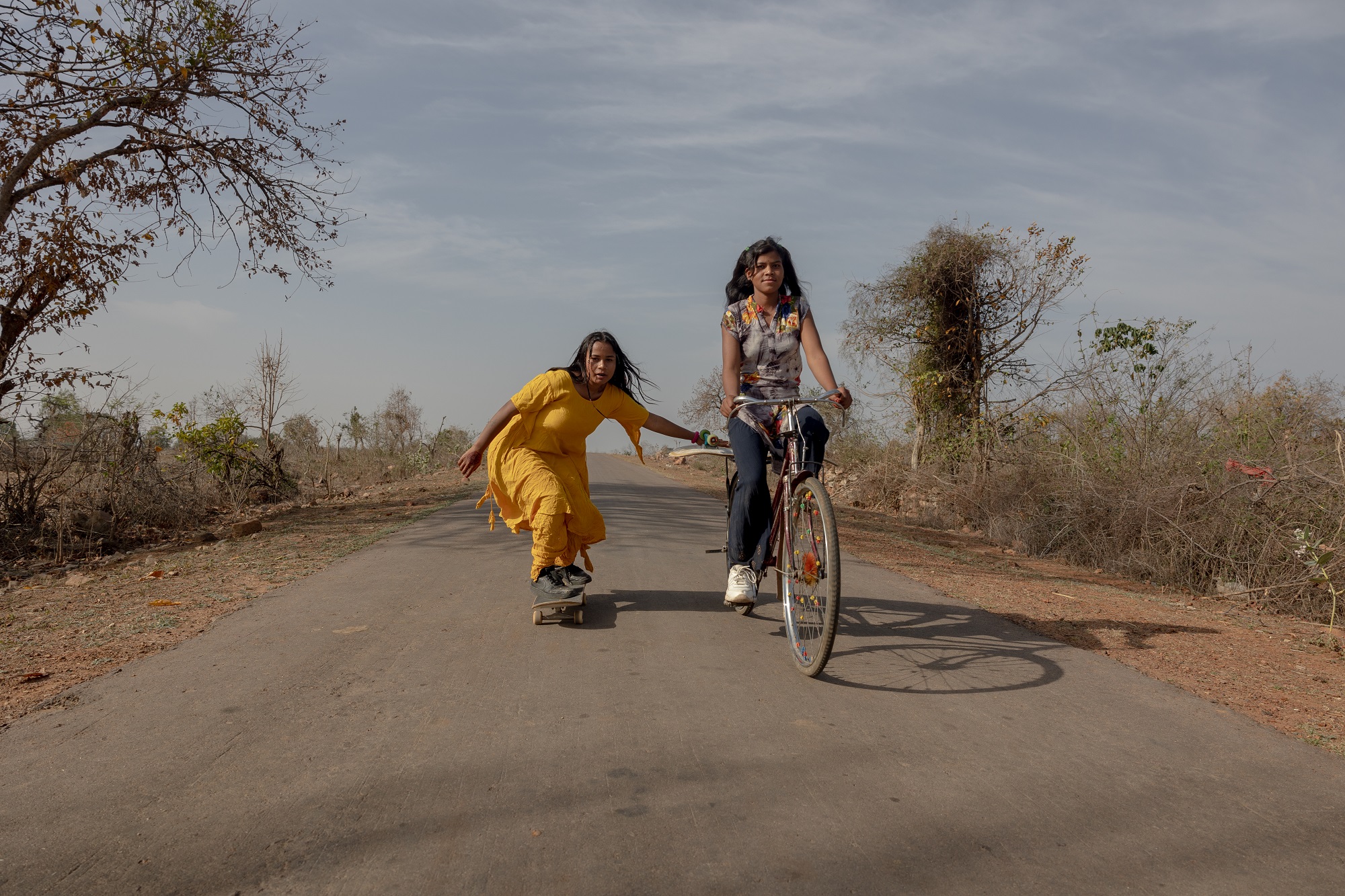
Ten international photographers and artists share personal stories from behind the world of sport. People who, through their sport, not only overcome physical and mental obstacles, but also challenge prevailing norms and spark social change.
Movements
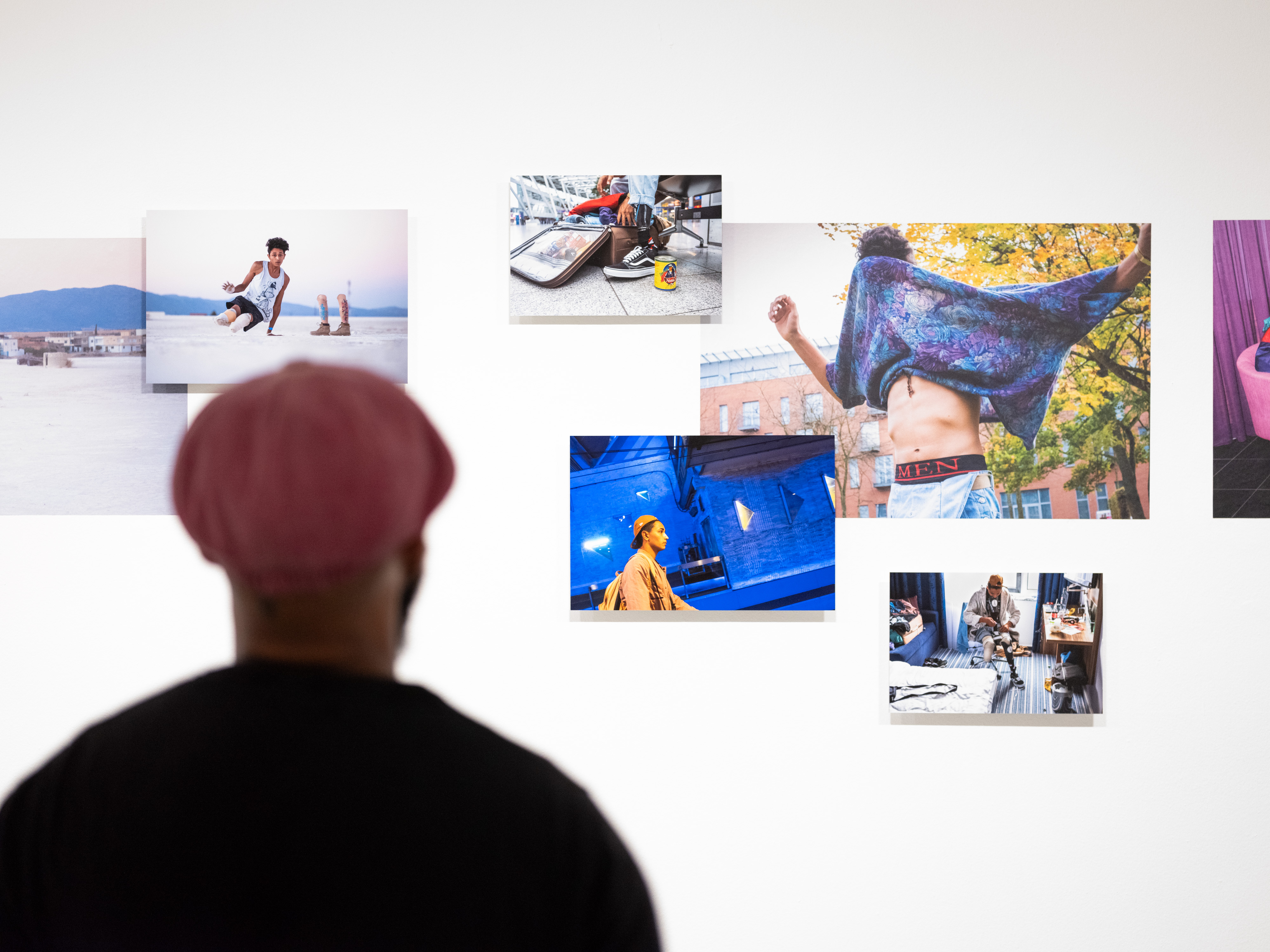
Who you are, where you come from, and what your background is determine how freely you can move. Opportunities and expectations vary significantly depending on family, country, religion, culture, gender, or ethnicity. Movements shows how the protagonists use sports to physically push back against barriers imposed from the outside. From a young Afghan woman who excels in boxing and ultimately earns a ticket to the Olympic Games, to a Tunisian young man who, after a leg amputation, finds new purpose as a breakdancer. The series also includes a photo story about a group of Palestinian skaters who, despite the occupation, reclaim their sense of freedom through sport.
Humans in motion
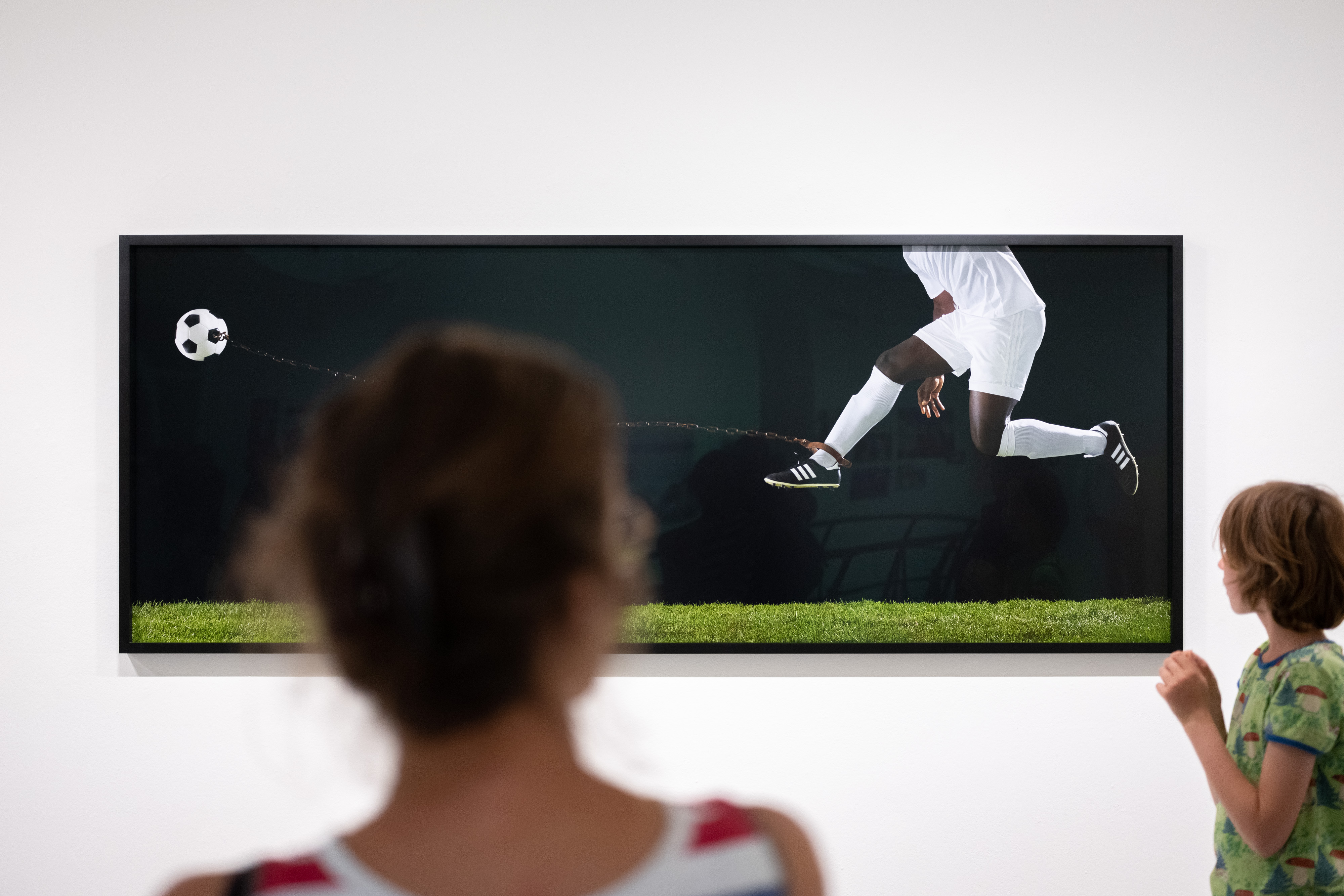
The selected works portray people in motion across different parts of the world, with the universal language of sport carving its way through various cultures while simultaneously revealing contrasts. Movements shows individuals who, through movement, try to escape societal pressure--sometimes breaking free, sometimes buckling under it. Sports such as boxing, skating, breakdancing, gymnastics, football, and bullfighting symbolize the struggle and the individual contest between people and the norms and values that surround them.
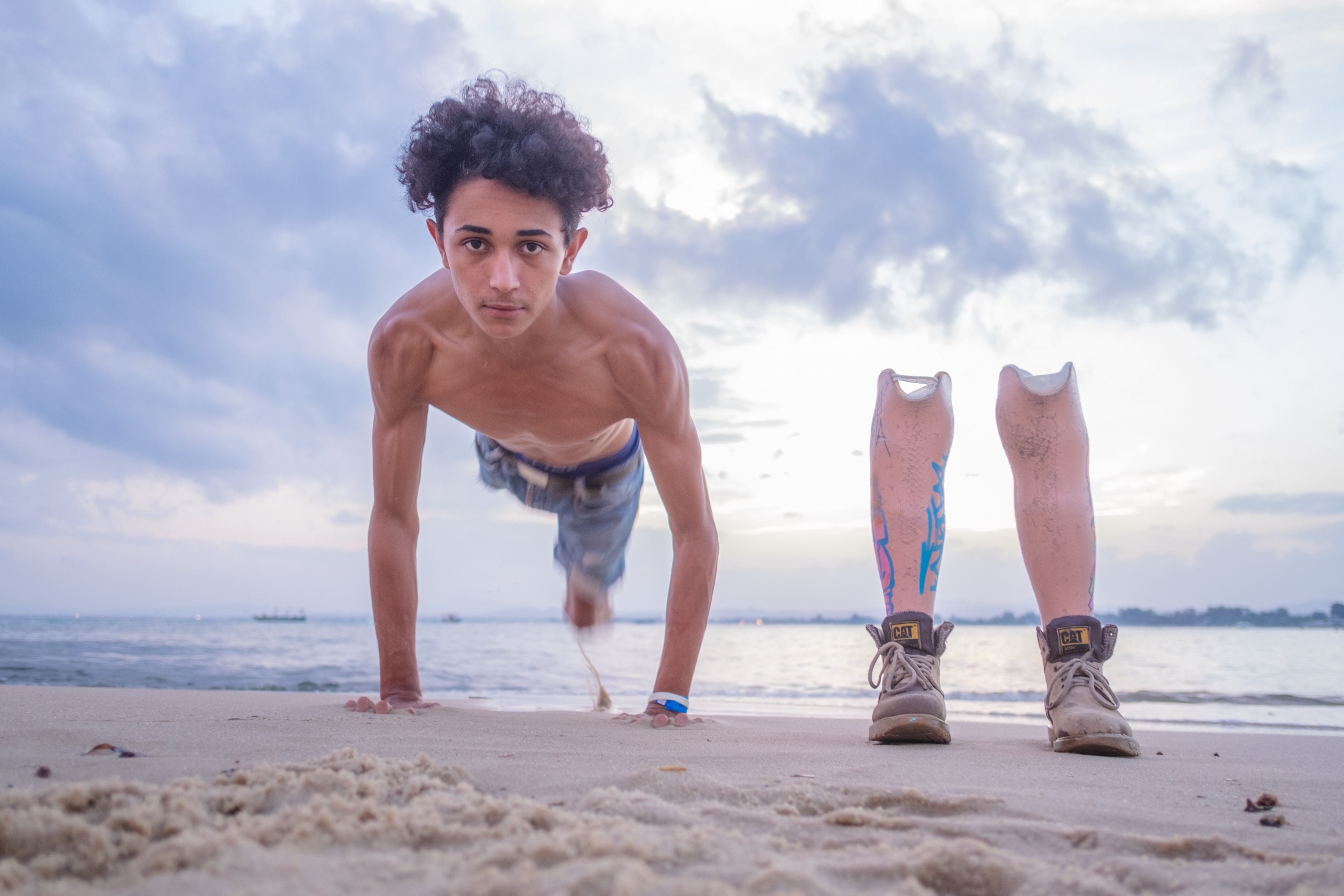
Yassine Alaoui Ismaili: Emeer Guesmi
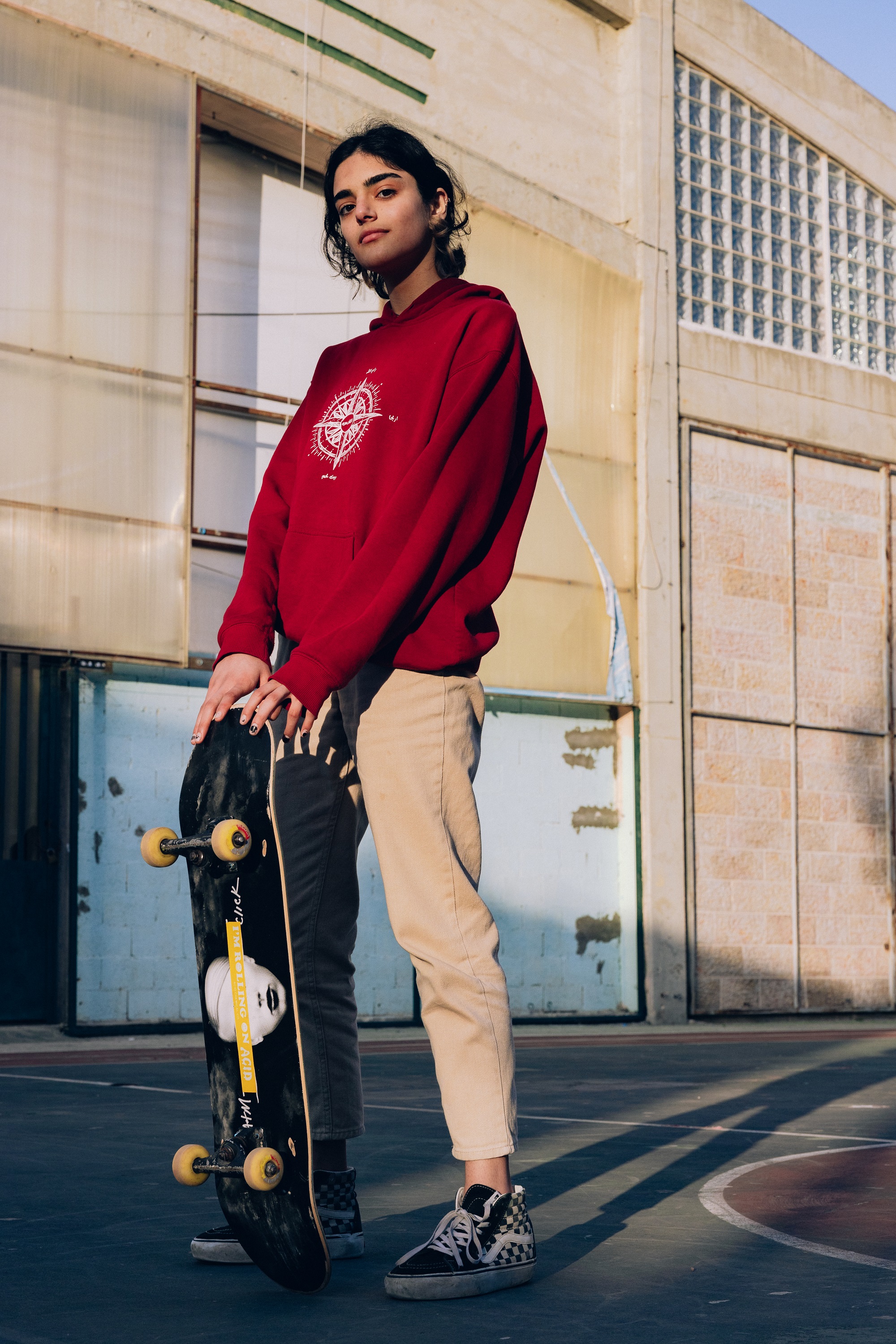
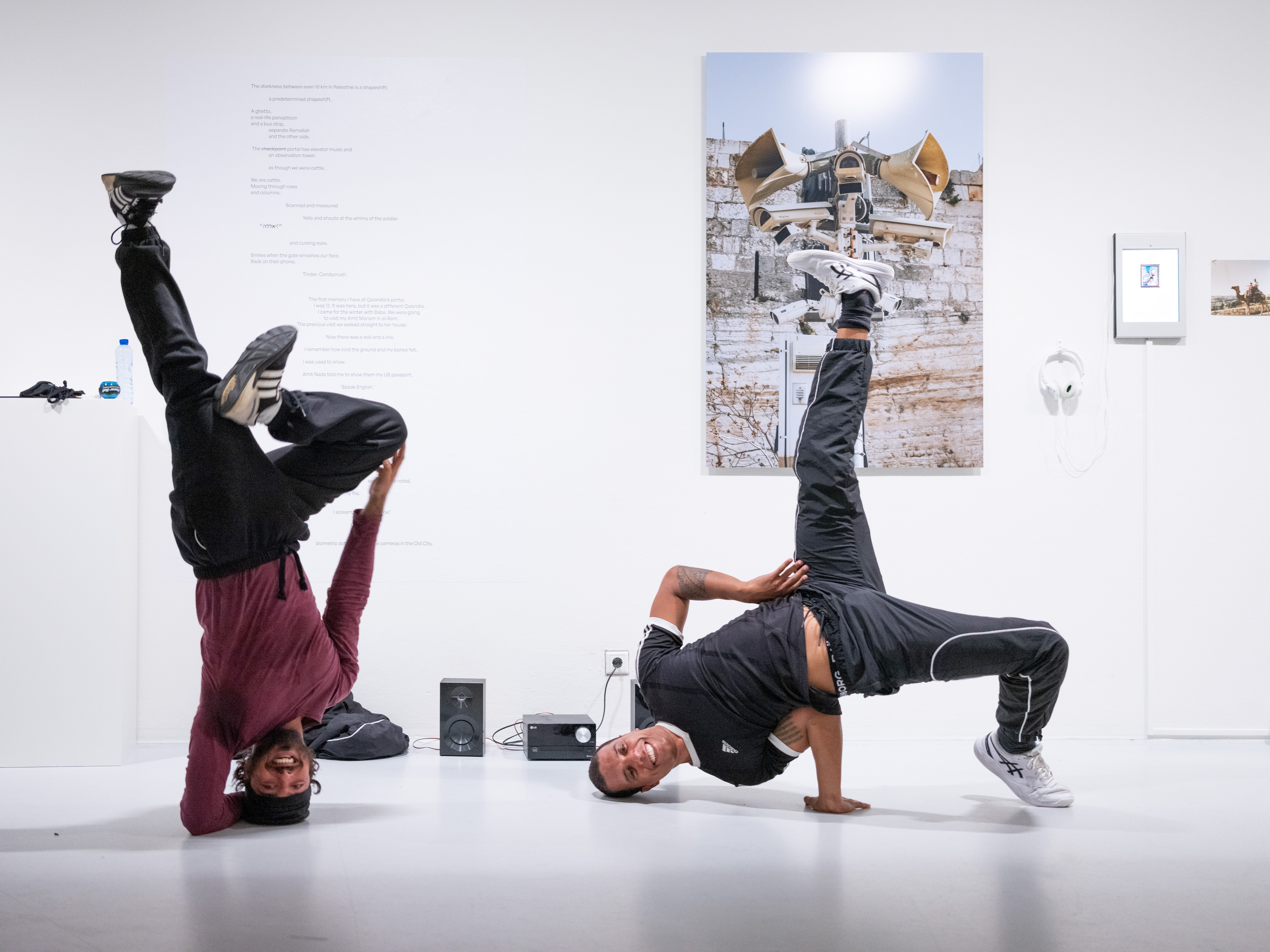
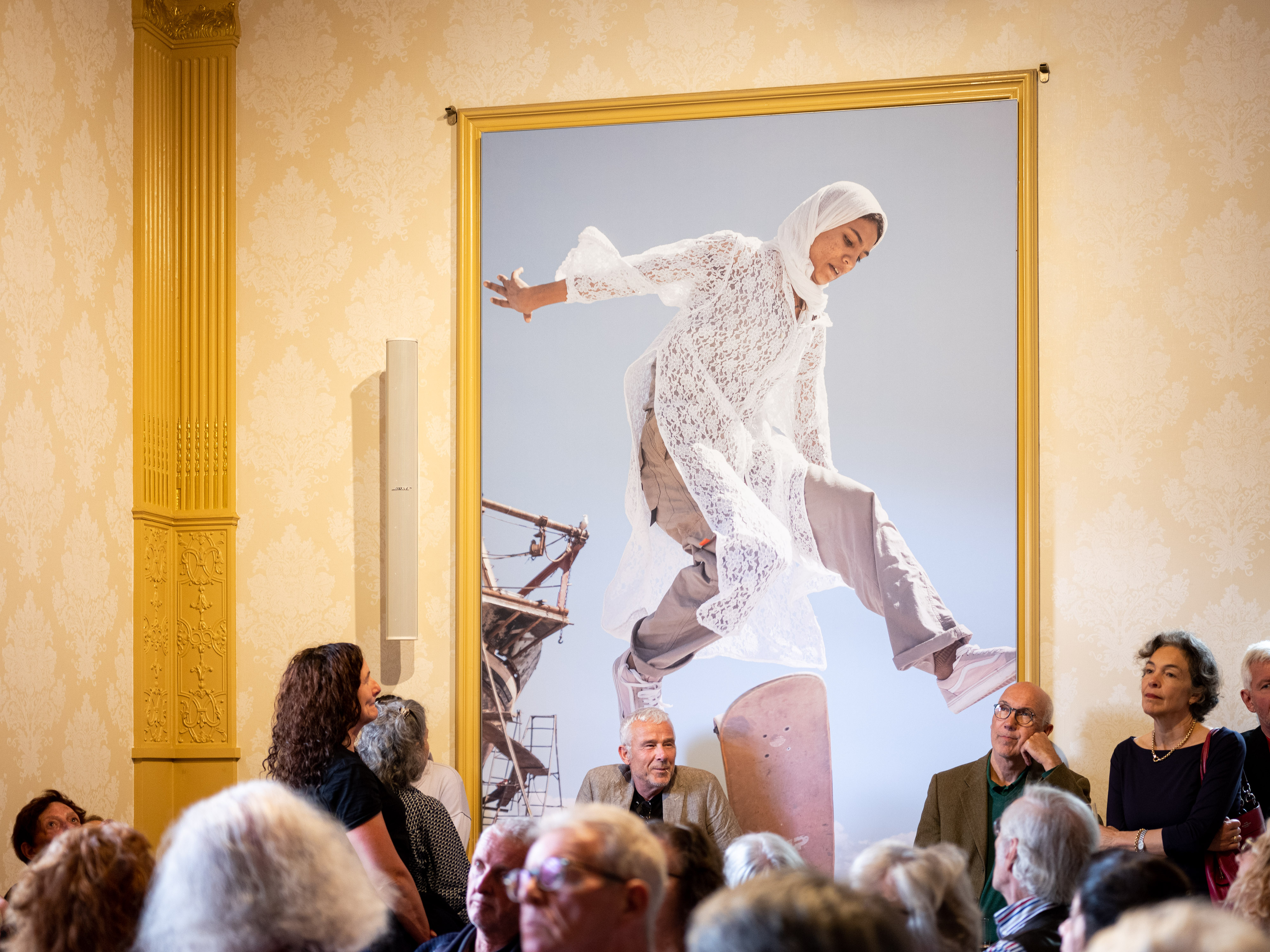
Maen Hammad: Landing
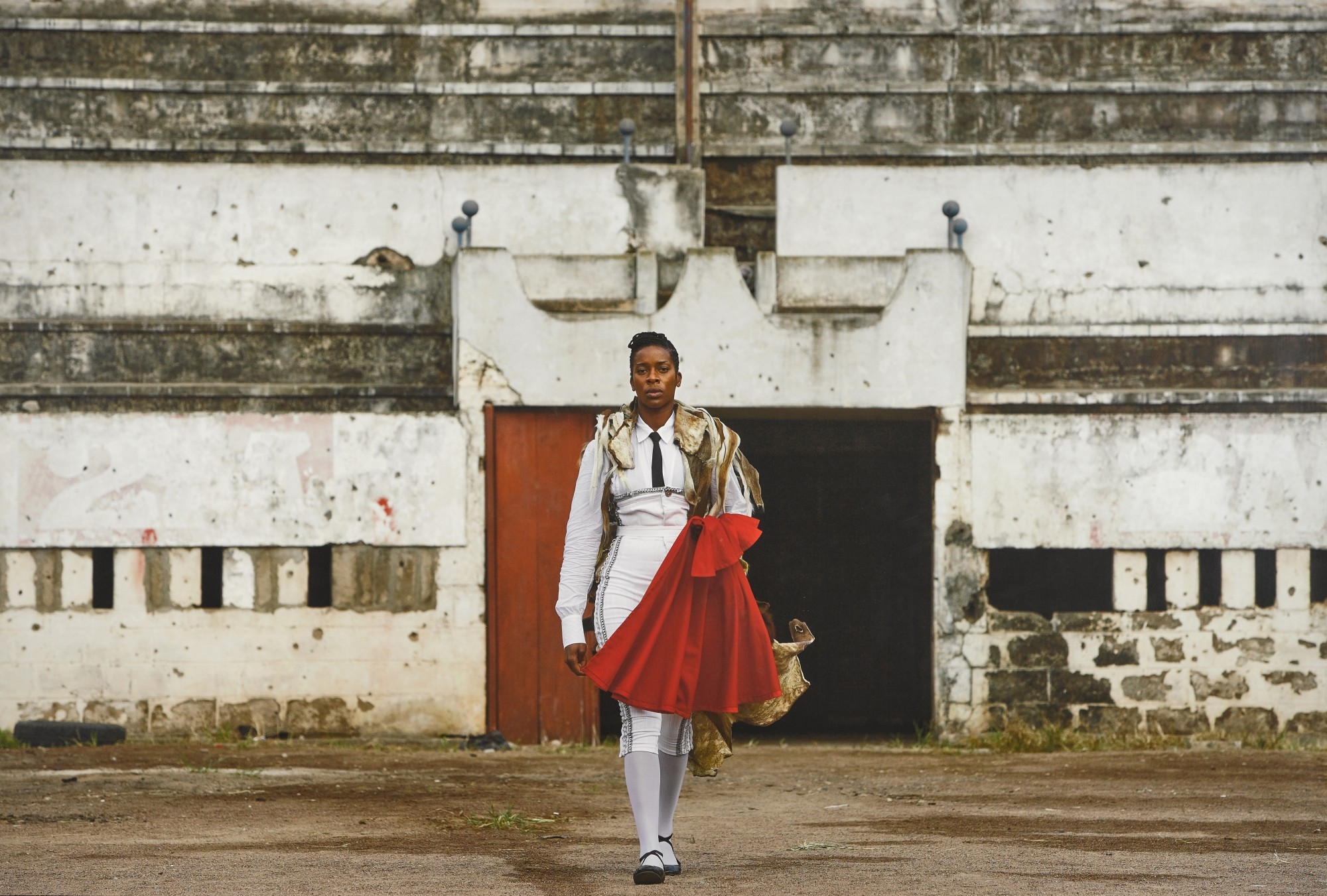
Nandipha Mntambo: Parca de Touros I
Photographers and artists
The exhibition features works by Andrea Bruce, Denis Darzacq, Maen Hammad, Yassine Alaoui Ismaili, Chantal Pinzi, Nandipha Mntambo, Thenjiwe Niki Nkosi, Miguel Rio Branco, Newsha Tavakolian, and Hank Willis Thomas. Their works consist primarily of photography, supplemented by the occasional video installation. Some artists work in a personal documentary style; others (re)interpret found-footage video material, while others still stage images to address specific issues.
The curator of Movements is Rose Ieneke van Kalsbeek.
Movements is made possible with support from the Cultuurfonds, Mondriaan Fonds, and the Municipality of Hilversum.