Beeldverhalen #10: Ruth van Beek, Mercedes Azpilicueta & Jaya Pelupessy
Layered Realities: Photography & Collage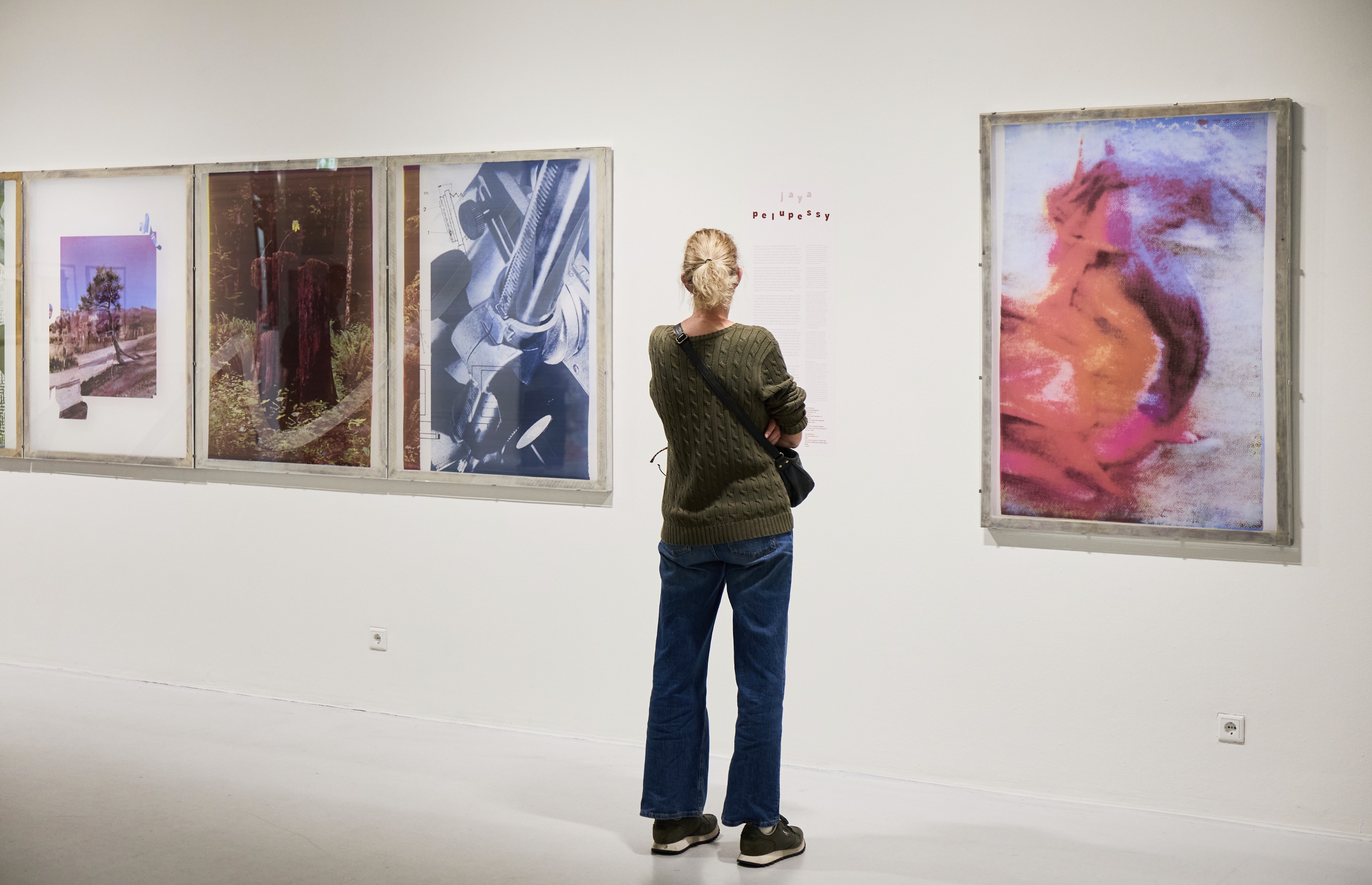
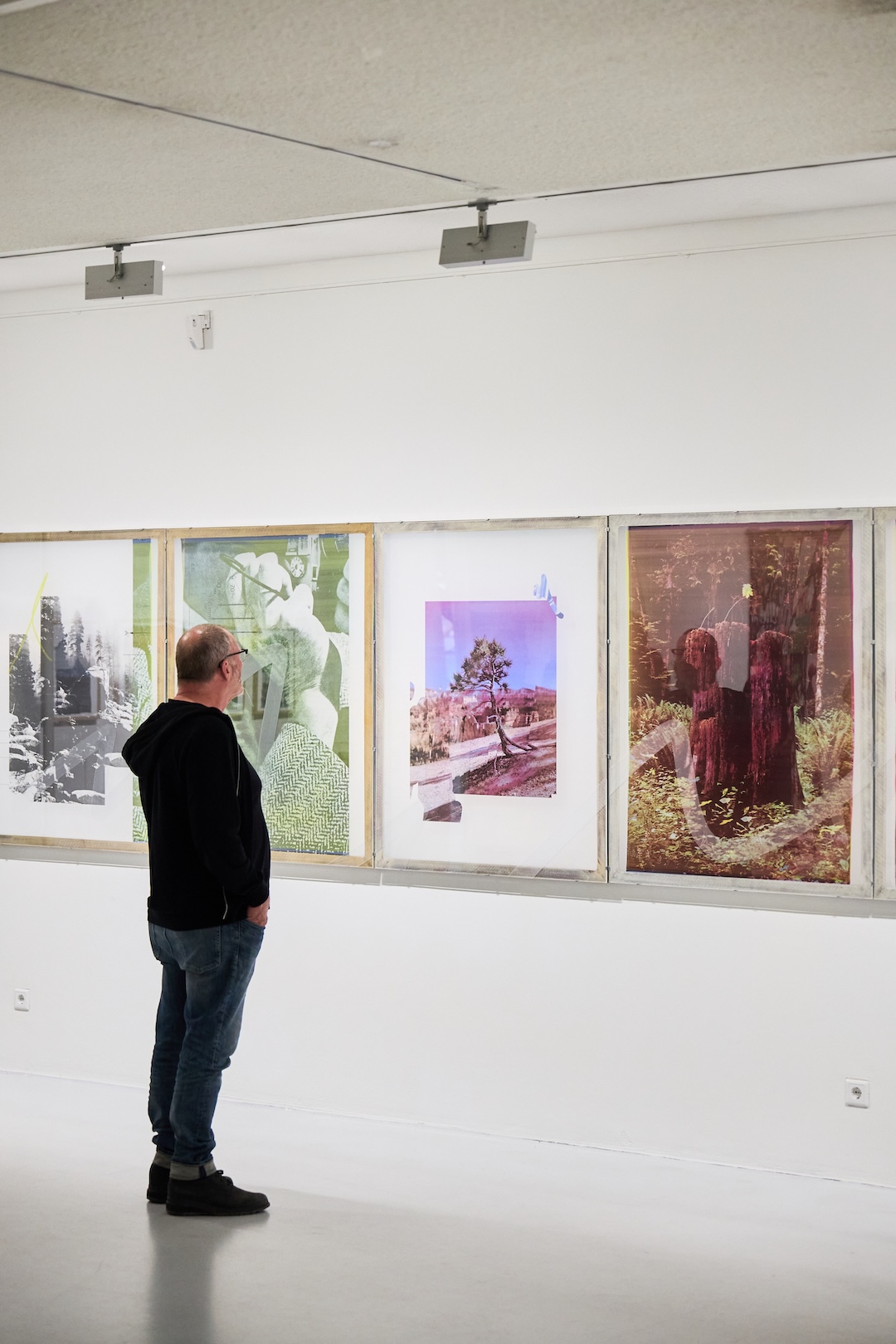
Walk-in: 7 PMStart: 7.30 PM
Register now for this new edition of Beeldverhalen, the evening at Fotomuseum Hilversum where artists and photographers discuss their work and process.
On Thursday, September 24, three artists from the exhibition Layered Realities: Photography & Collage will be guests: Ruth van Beek, Mercedes Azpilicueta & Jaya Pelupessy.
Curator Fiepke van Niel will discuss how artists today use photography and collage as a visual language to explore current themes, such as identity, (family) history, and the role of imagery in a world where we are flooded with visual information every day.
Thursday, September 24
Doors open: 19:00
Start: 19:30
Expected end: 21:00
Beeldverhalen is accessible with a valid museum ticket or entry with the Museum Card. It is also possible to view the exhibition during the evening.
Jaya Pelupessy
“For me, collage emerged as a natural outcome of my research into how we consume and communicate with images.”
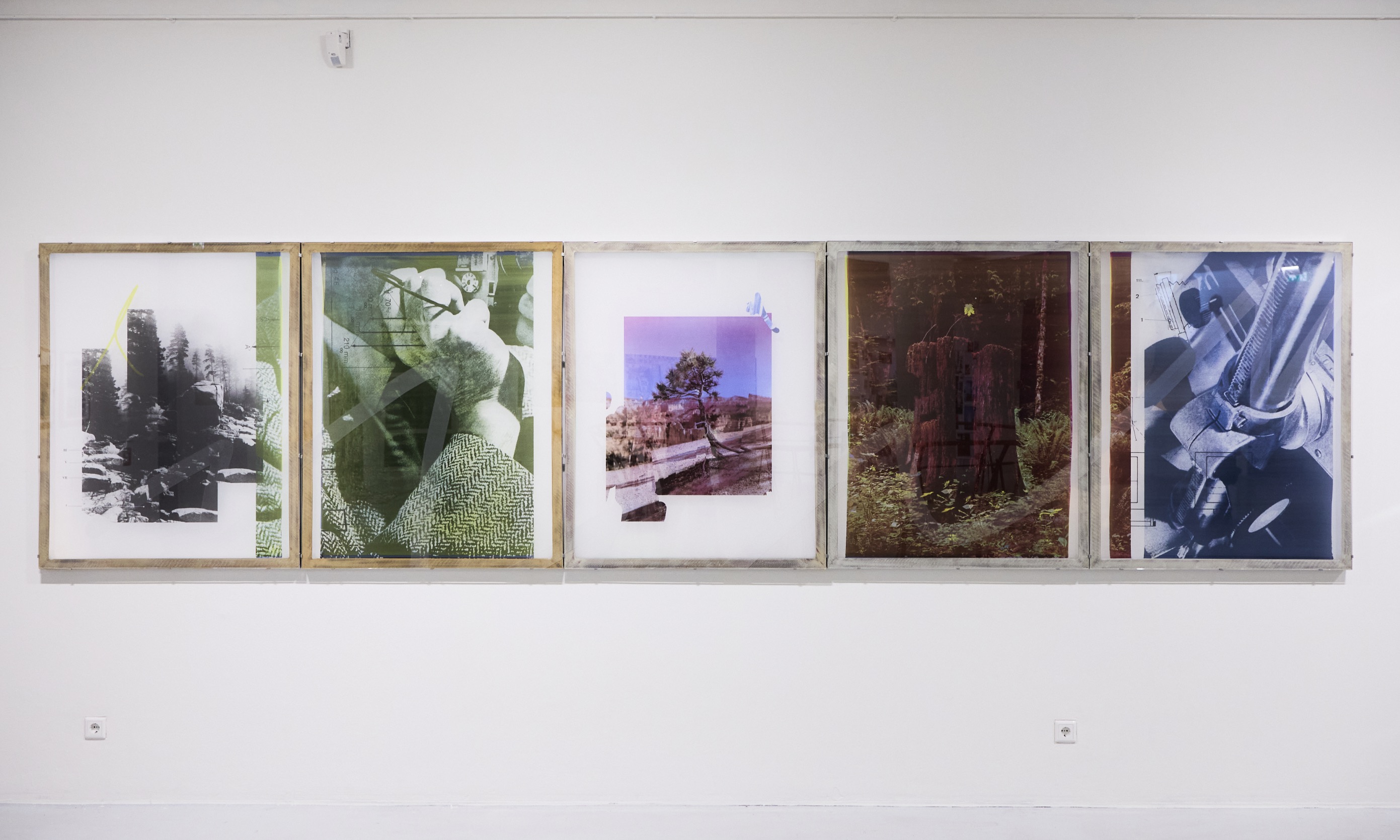
With Manufactured Manual, Jaya Pelupessy investigates not only the image but also the techniques used to create images. For this work, he developed his own method in which he brings together multiple photographic images and color layers on a screen printing frame. Just like in a collage, images from photography manuals, landscapes, and his own travels overlap to form a single new image.
The result is a five-panel piece in which individual images flow into one another. Pelupessy compares this to the many tabs open on a computer screen: images that exist alongside, over, and through one another.
Ruth van Beek
“In my work, I try to make visible how images and objects can touch and seduce us. I hope that the work evokes feelings when viewing it. I hope that these feelings are confusing.”
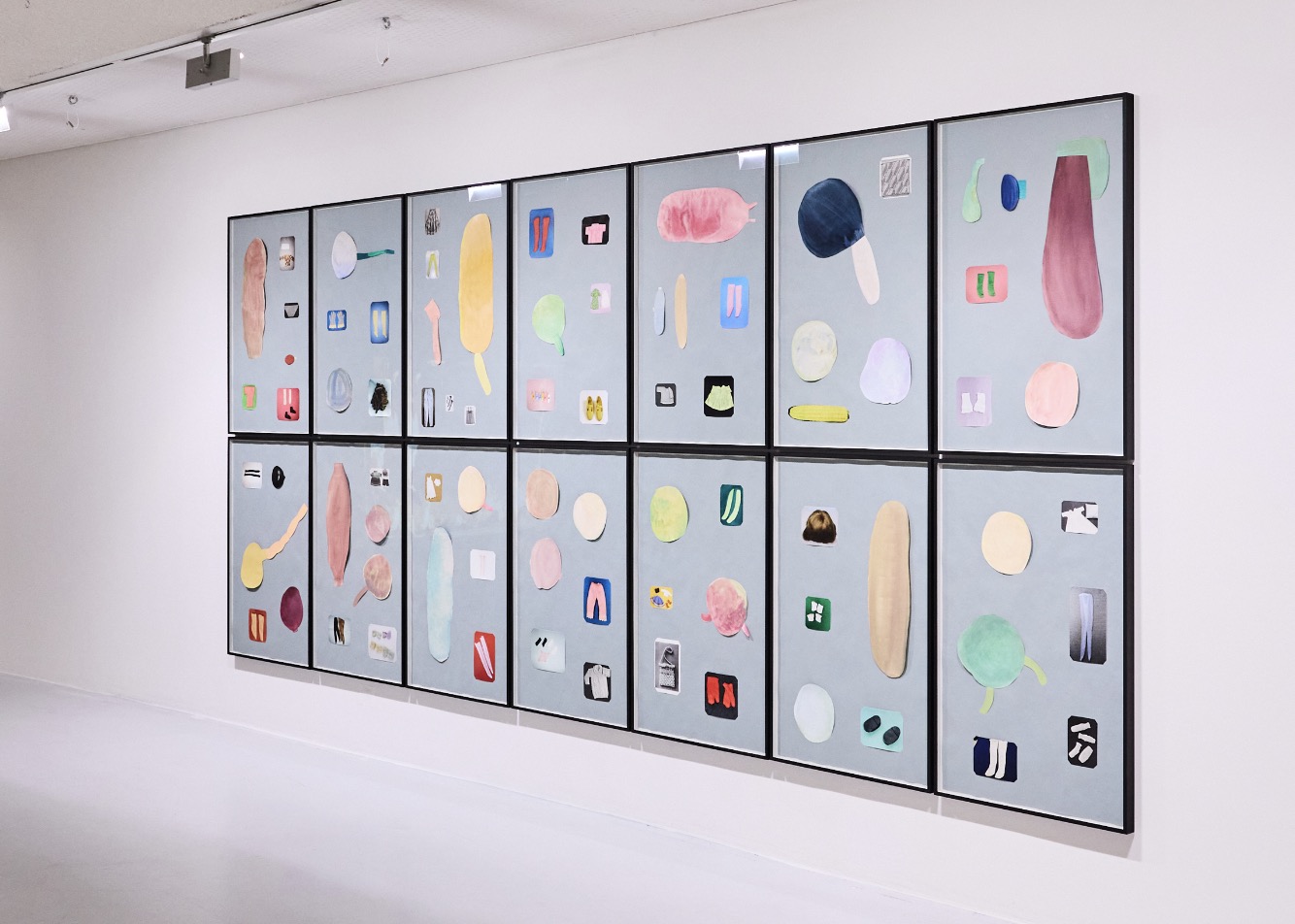
In The Largest in the Smallest, Van Beek brings together archival images of doll clothes, socks, and wigs with self-made collages of paper painted with gouache. They are mounted on archival paper, just like in old photo albums: with the corners inserted into incisions. The colors and shapes evoke associations with dolls and bodies, causing the work to balance between something familiar and something alienating.
In this way, Van Beek explores why we can develop feelings for inanimate things. Her work moves between attraction and unease, between care and violence, and between reality and imagination.
Mercedes Azpilicueta
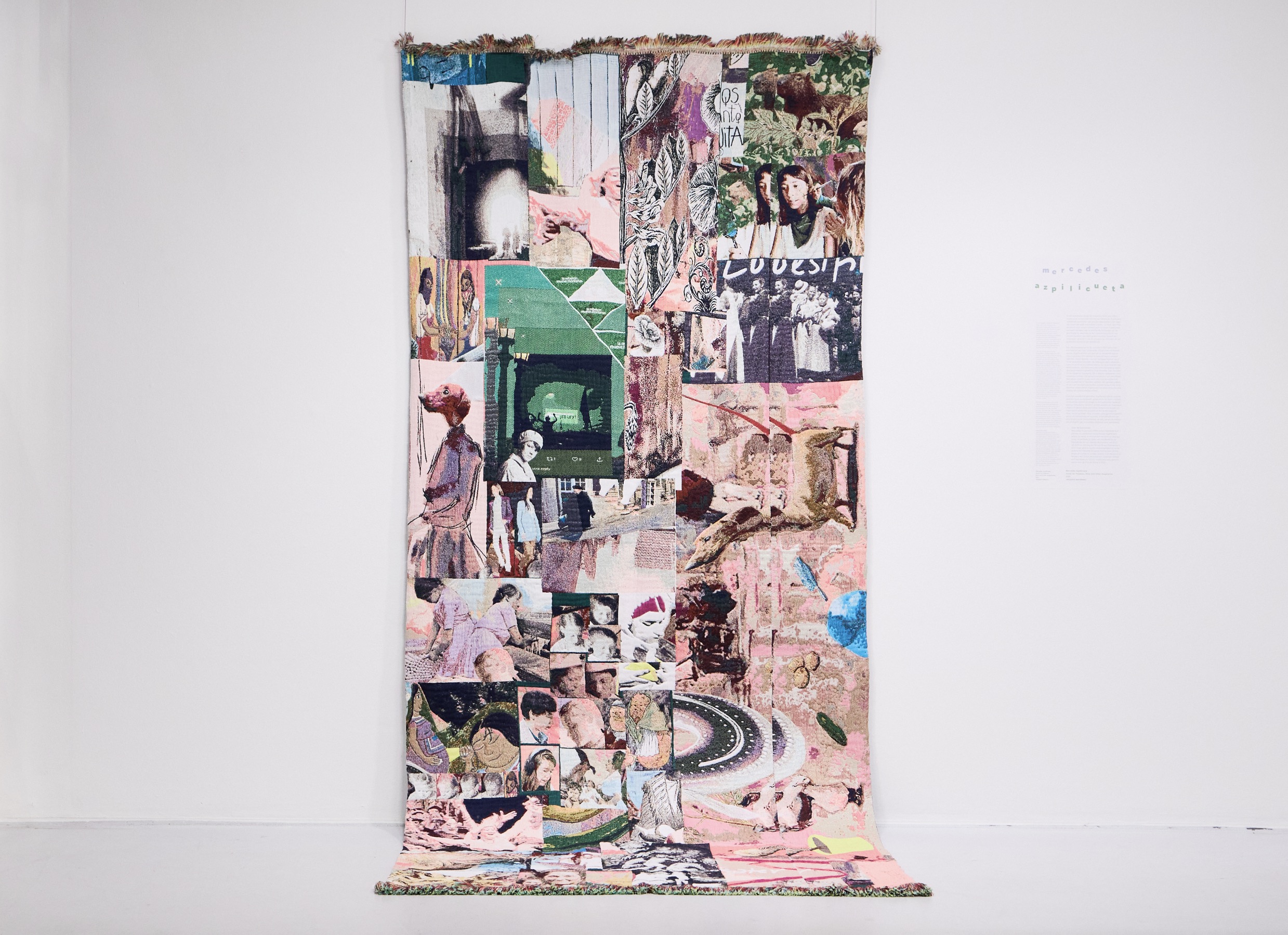
With the tapestry Potatoes, Riots and Other Imaginaries, artist Mercedes Azpilicueta explores solidarity and forms of social organization in daily life that often remain invisible, with a special focus on care and labor performed by women.
Azpilicueta weaves together stories from various moments in history, thereby emphasizing the transhistorical and universal character of these events. Additionally, she connects the experiences of women from different countries within the tapestry. The Potato Riots in the Jordaan in 1917 form the starting point of her research.